
Medical Education Common Entrance Examination (MECEE) Syllabus – Nepal
Comprehensive guide to the Medical Education Common Entrance Examination (MECEE) conducted by the Medical Education Commission (MEC) for admission to medical programs in Nepal.
About Medical Education Commission (MEC)
The Medical Education Commission (MEC) is an autonomous body established by the Government of Nepal under the National Medical Education Act, 2075 B.S. Its primary mandate is to regulate and streamline medical education throughout the country.
MEC's key functions include conducting a common entrance examination for admission to all medical and health sciences programs, setting standards for academic institutions, determining student capacity, and managing scholarship programs.
By conducting the Medical Education Common Entrance Examination (MECEE), MEC ensures a transparent, merit-based, and unified selection process for all aspiring medical and health professionals in Nepal.
Official Links
How to Fill the Exam Form
The application process is entirely digital. Follow these structured steps:
Step 1: Account Registration
- Freshers: Create a new candidate profile on the MEC entrance portal.
- Repeaters: Log in using your registered account credentials from the previous cycle.
Step 2: Paying the Fee
Deposit the specified registration fee via certified bank channels or online portals (eSewa, Khalti, ConnectIPS). Retain your digital voucher or transaction reference number safely. Note that separate applications require unique fees.
Step 3: Document Uploads
Prepare clear scanned copies (JPEG/PNG) of the following items:
- • Recent Passport Photo
- • Digital Signature Specimen
- • Academic Transcripts (+2 level)
- • National Citizenship Card
- • Fee Payment Slip
- • Equivalence Cert (If foreign board)
Step 4 & 5: Submission
Input your validated personal details, attach the files, specify your target academic track, and review for accuracy. Confirm the submission and print out your dynamic registration tracking sheet for verification.
Programs Covered

MBBS
Bachelor of Medicine, Bachelor of Surgery

BDS
Bachelor of Dental Surgery

BSc Nursing
Bachelor of Science in Nursing

BPH
Bachelor in Public Health

BAMS
Bachelor of Ayurvedic Medicine & Surgery

B. Pharmacy
Bachelor of Pharmacy
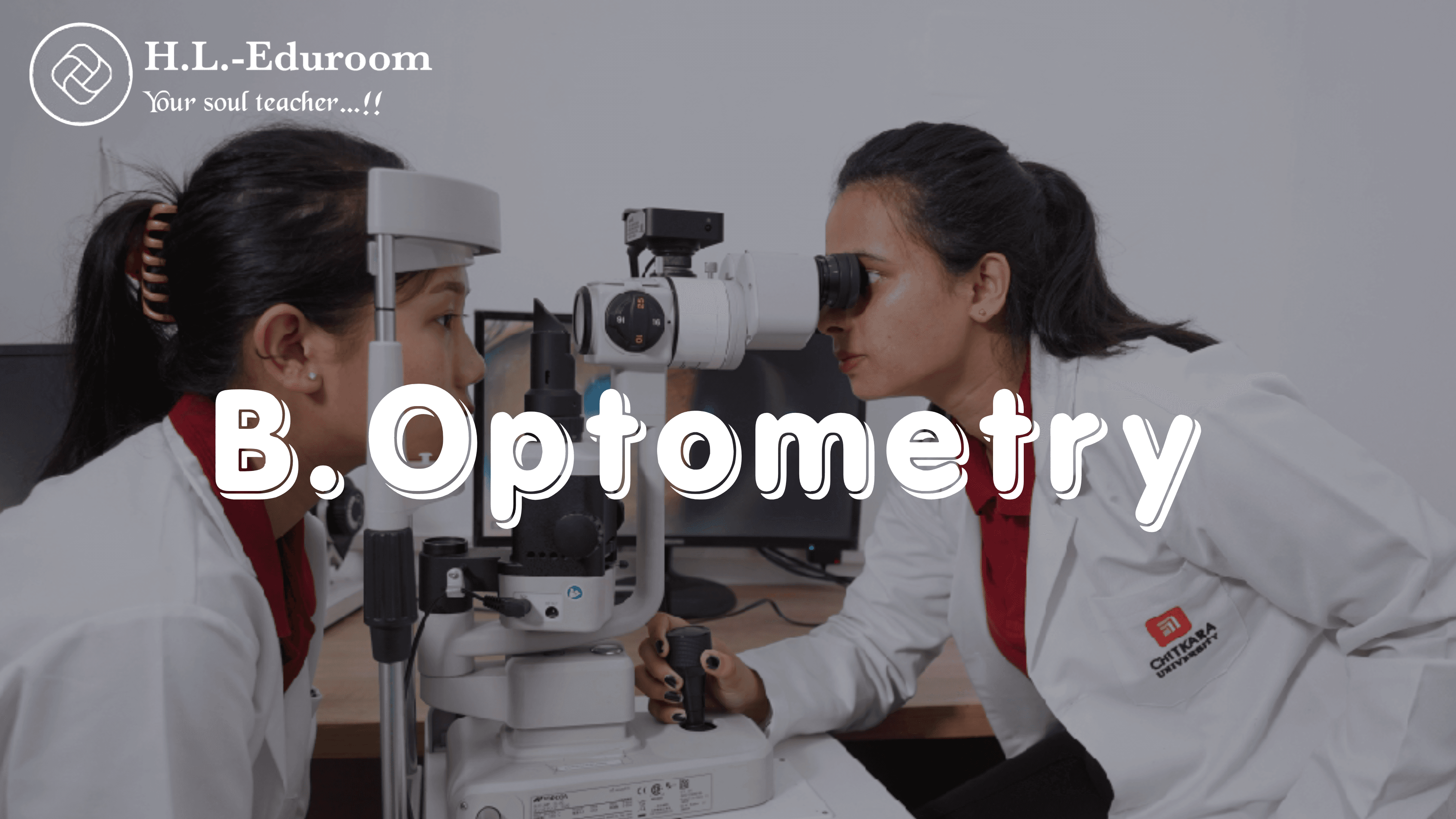
B. Optometry
Bachelor of Optometry
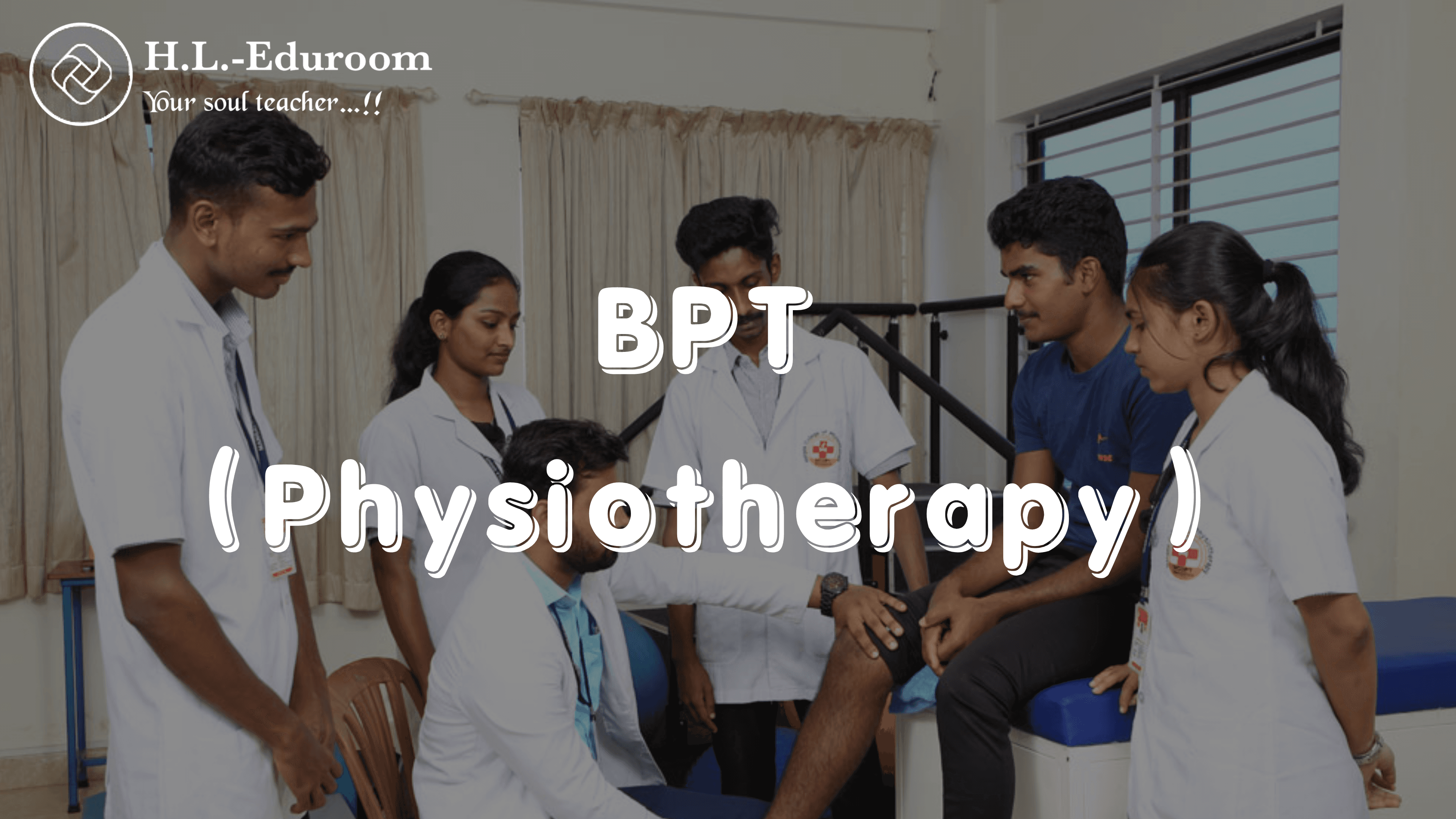
BPT
Bachelor of Physiotherapy

B.Sc. MIT
Bachelor of Science in Medical Imaging Technology

B.Sc. MLT
Bachelor of Science in Medical Laboratory Technology
Exam Details Matrix
- 1
Question Structural Format: Single Best Response Type (MCQ) with four options (A, B, C, D)
- 2
Total Question Count: 200 Questions
- 3
Maximum Evaluation Mark: 200 Full Marks
- 4
Negative Marking Metric: 0.25 Marks deducted for each incorrect response selection
- 5
Minimum Pass Parameter: 50th Percentile benchmark score
- 6
Exam Allotted Duration: 3 Hours total workspace runtime (180 minutes)
- 7
Instruction Language: English medium exclusively
Domain-Specific Strategic Reviews
Zoology
Core Pillars Covered:
- General Characteristics and Classification: Focus on key structural phyla, anatomical lineages, and organism references.
- Human Biology & Diagnostics: Master operational biological organ systems, common pathology profiles, and preventative protocols.
- Animal Tissues: Identify cellular groupings and functional matrices using micrographic diagnostic views.
High-Probability Concepts:
- • Plasmodium Lifecycle pathways
- • Anatomical heart valves & gastrointestinal schematics
- • Communicable epidemiology (Dengue, TB)
- • Taxonomic cross-matches
Botany
Core Pillars Covered:
- Cell Biology & Genetic Heritage: Mitotic structures, meiotic crossovers, Mendelian probability grids, and nucleic sequencing.
- Plant Morphology & Physiology: Photosynthetic enzymes, respiration nodes, transpirational currents, and hormonal flows.
- Ecology & Biosphere Dynamics: Food chain hierarchies and contemporary macro climate anomalies.
High-Probability Concepts:
- • Meiotic spindle phases
- • Monohybrid & Dihybrid ratio analysis
- • Calvin Cycle carbon fixation blueprints
- • Tissue micro-layer models
Chemistry
Core Pillars Covered:
- Physical Chemistry: Stoichiometric scaling, dynamic equilibria, and precise mathematical electrochemical values.
- Inorganic Chemistry: Periodic tables, electron trends, and transition elements (s, p, d-blocks).
- Organic Synthesis & Nomenclature: IUPAC standard rules, geometric isomer structural shifts, and named mechanisms.
High-Probability Concepts:
- • Mole calculations & yield equations
- • IUPAC carbon complex indexing
- • Named condensations (Wurtz, Fittig reactions)
- • Orbital hybridization forms
Physics
Core Pillars Covered:
- Classical Mechanics: Relativistic kinematics, rigid bodies, and clean work-energy equations.
- Optics & Wave Physics: Geometrical refractions, mirror optics, structural interference, and slit diffractions.
- Electromagnetism & Circuits: Network loops, Kirchhoff's current laws, induction nodes, and resistance layouts.
High-Probability Concepts:
- • Fluid flow rates & thermal capacity values
- • Lens aberration distances
- • Parallel loop electrical networks
- • Photoelectric effect work thresholds
Weightage Matrix (General Programs)
| S.N. | Content/Domain | Question Density | Marks Allocation |
|---|---|---|---|
| a | Zoology | 40 | 40 |
| b | Botany | 40 | 40 |
| c | Chemistry | 50 | 50 |
| d | Physics | 50 | 50 |
| e | Mental Ability Test (MAT) | 20 | 20 |
| Aggregate Sum | 200 | 200 | |
Zoology Syllabus (40 Questions)
- 1Biology, origin and evolution of life (4 questions): Introduction to biology, theories of origin of life, evidences and theories of organic evolution, human evolution
- 2General characteristics and classification of protozoa to chordates (8 questions): Classification of animal kingdom, characteristic features of different phyla with examples
- 3Plasmodium, earthworm and frog (8 questions): Study of life history, morphology, anatomy and economic importance of Plasmodium, Pheretima (earthworm) and Rana tigrina (frog)
- 4Human biology and human diseases (14 questions): Digestive, respiratory, circulatory, excretory, nervous, reproductive and endocrine systems; Common human diseases; Sense organs
- 5Animal tissues (4 questions): Epithelial, connective, muscular and nervous tissues - their structure, location and functions
- 6Environmental pollution, adaptation and animal behavior, application of zoology (2 questions): Causes and control measures of environmental pollution; Animal adaptations and behavior; Application of zoology
Botany Syllabus (40 Questions)
- 1Basic component of life and biodiversity (11 questions): Cell structure and function, biomolecules, enzymes, classification of plants, viruses, bacteria, fungi, lichens, and conservation of biodiversity
- 2Ecology and environment (5 questions): Ecosystem, ecological adaptation, ecological imbalance and its consequences, greenhouse effect and global warming
- 3Cell biology and genetics (12 questions): Cell division, Mendel's laws, linkage and crossing over, mutation, genetic materials and genetic code
- 4Plant anatomy, physiology, and reproduction (6 questions): Plant tissues, photosynthesis, respiration, transpiration, growth regulators, reproduction in plants
- 5Algae and fungi (3 questions): General characteristics and life cycles of algae and fungi, economic importance
- 6Bryophytes, Pteridophytes, Gymnosperms, and Angiosperms (3 questions): General characteristics and life cycles
Chemistry Syllabus (50 Questions)
- 1General and Physical Chemistry (25 questions): Atomic structure, chemical bonding, states of matter, thermochemistry, chemical kinetics, chemical equilibrium, ionic equilibrium, solutions, electrochemistry
- 2Inorganic Chemistry (15 questions): Periodic table, s-block, p-block, d-block elements, coordination compounds, metallurgy, environmental chemistry
- 3Organic Chemistry (10 questions): Basic concepts of organic chemistry, hydrocarbons, haloalkanes, alcohols, phenols, ethers, aldehydes, ketones, carboxylic acids, amines, biomolecules
Physics Syllabus (50 Questions)
- 1Mechanics and Heat (20 questions): Kinematics, dynamics, work, energy, power, simple harmonic motion, fluid mechanics, heat, thermodynamics
- 2Optics and Modern Physics (15 questions): Geometrical optics, wave optics, photoelectric effect, atomic physics, nuclear physics
- 3Electricity and Magnetism (15 questions): Electrostatics, current electricity, magnetism, electromagnetic induction, alternating current
Mental Ability Test (MAT) Syllabus (20 Questions)
The Mental Ability Test (MAT) section assesses critical thinking, perceptual speed, and advanced spatial logic patterns.
- •
Verbal ReasoningAnalogies, classifications, series, coding-decoding, blood relations, logical sequence of words, direction sense test
- •
Quantitative AptitudeNumbers, percentages, profit & loss, ratio & proportion, time & work, simple & compound interest, averages
- •
Logical ReasoningPuzzles, statements and conclusions, syllogisms, Venn diagrams, non-verbal reasoning, series, analogies
Weightage Matrix (BPH Programs)
| S.N. | Content/Domain | Question Density | Marks Allocation |
|---|---|---|---|
| a | Zoology | 25 | 25 |
| b | Botany | 25 | 25 |
| c | Chemistry | 25 | 25 |
| d | Physics | 25 | 25 |
| e | Public Health | 50 | 50 |
| f | Mental Ability Test (MAT) | 50 | 50 |
| Aggregate Sum | 200 | 200 | |
BPH Syllabus (50 Questions)
- 1
Introduction to Public HealthDefinitions, historical evolutions, ethical methodologies, and macro operational paradigms.
- 2
Epidemiology CoreDisease frequency mapping, structural tracking designs, field investigations, and national tracking systems.
- 3
Biostatistics MethodsCentral tendency equations, statistical dispersion, mathematical probabilities, and variable gathering samplings.
- 4
Environmental SafetySanitation engineering, toxic water safety, clean atmosphere control, and chemical waste structures.
- 5
Health System ManagementPrimary care layouts in Nepal, systemic national plans, policies, and community diagnosis modules.
- 6
Nutritional ScienceMacro/Micro nutrient parameters, diagnostic deficiencies, and public health nutrition initiatives.
- 7
Health PromotionBehavior transformation frameworks, educational messaging, and dynamic structural communication models.
Weightage Matrix (BNS/BMS Programs)
| S.N. | Content/Domain | Question Density | Marks Allocation |
|---|---|---|---|
| a | Zoology | 25 | 25 |
| b | Botany | 25 | 25 |
| c | Chemistry | 25 | 25 |
| d | Physics | 25 | 25 |
| e | Nursing | 50 | 50 |
| f | Mental Ability Test (MAT) | 50 | 50 |
| Aggregate Sum | 200 | 200 | |
BNS/BMS Syllabus (50 Questions)
- 1Fundamentals of Clinical Nursing: Operational nursing workflows, diagnostic vitals, clean medical configurations, and hazard isolations.
- 2Medical-Surgical Core: Chronic system conditions, recovery room parameters, and critical surgical support care paths.
- 3Child Health Systems: Developmental milestones, infant immunology schedules, and common pediatric pathic tracking.
- 4Community Nursing Care: Societal safety layouts, basic localized diagnostic matrices, and health literacy communication loops.
- 5Maternal Care Workflows: Comprehensive prenatal, natal, and postpartum recovery tracks, complication mitigation, and spacing methods.
- 6Advanced Midwifery Science (for BMS tracks): Institutional lineage of midwifery, dynamic female reproductive tract systems, and standard physiological deliveries.
MECEE Affiliated University Colleges
The Medical Education Commission's uniform testing standard determines placements across the following centralized multi-tier institutional arrays inside Nepal:
Tribhuvan University (TU) Affiliated Colleges
- • Institute of Medicine (IOM), Maharajgunj Medical Campus, Kathmandu
- • National Medical College, Birgunj
- • Chitwan Medical College (CMC), Bharatpur
- • KIST Medical College, Lalitpur
Kathmandu University (KU) Affiliated Colleges
- • Kathmandu University School of Medical Sciences (KUSMS), Dhulikhel
- • Manipal College of Medical Sciences, Pokhara
- • Kathmandu Medical College (KMC), Kathmandu
- • Nepal Medical College, Kathmandu
- • Nobel Medical College, Biratnagar
Autonomous & Other Institutions
- • B.P. Koirala Institute of Health Sciences (BPKIHS), Dharan
- • Patan Academy of Health Sciences (PAHS), Lalitpur
- • Karnali Academy of Health Sciences (KAHS), Jumla
MECEE Dynamic Video Seminars
MECEE Academic Calendar Published | How to get Better Marks on CEE | Schedule TC | by Hitesh Sharma
A video guide on how to prepare effectively for the MECEE exam, including study strategies and time management.
MedWarrior Orientation Class– Kickstart Your MECEE 2082 Journey with H.L.-Eduroom | Host- Hitesh sir
A visual walkthrough of the online application process for the MECEE exam form.
Master these 40 Days Using Our Free Crash Course | The Last Chance to Restart | Study Plan 40 days |
A Perfect Route for Last Revision - 40 Days Crash Course.